



(866) 788-0030
Work With Florida's Best Notary Service:
Prime Notary, Inc.
Click below to book an appointment!
Your notary worries are our forte.
What You’ll Get During A Call To Execute Your Notarizations:
At Prime Notary, Inc., we specialize in the accurate and efficient execution of document notarizations.
Our team is committed to providing prompt service, ensuring your documents are notarized without delay.
We offer competitive and transparent pricing, giving you confidence in both the quality and value of our services.
When you call, we answer. Our team is ready and available to assist with all your notarial needs—whenever you need us.
Specialty Services We Provide
Power of Attorney &
Estate Planning
Secure your family’s future with compassionate, professional Power of Attorney services. We specialize in Power of Attorney and Estate Planning documents, ensuring they're legally valid and stress-free. Whether you’re planning ahead or managing urgent decisions, we provide patient support and clear guidance every step of the way.
Real Estate Signings
From purchases to refinances, we make real estate closings simple and efficient. Our notaries arrive on time, walk you through every page, and ensure your documents are signed correctly the first time. Mobile and online options available—because closing should feel like progress, not pressure.
Apostille Services
Need to legalize documents for international use?
We offer fast, reliable Apostille services that take the confusion out of global paperwork. From start to finish, our experts ensure your documents are processed correctly and accepted abroad—without delays or red tape.

Clara Borgia
Notary Client
I had such a good experience with Prime Notary that I had to share. They were extremely quick to respond and really easy to work with. The notary showed up on time, was super friendly and professional, and made the whole thing stress free. It’s rare to find service that’s both efficient and personable these days.

Marco Juan
Notary Client
I was very happy with the service that Prime Notary provided. Scheduling the appointment was easy and smooth. The communication was excellent. I received reminders and text messages all the way. I highly recommend Prime Notary. Thank you for the excellent service!
WHAT WE DO
Convenient Mobile Notary Services in the Florida Areas.
At Prime Notary, Inc., we deliver trusted notary services directly to your location—saving you time, effort, and unnecessary travel. Serving clients throughout the state of Florida and surrounding counties, we ensure convenient and dependable notarization services wherever you are in the greater Florida metropolitan area.


Offering Remote Online Notarization Services in the Greater Florida Area.
From the comfort of your mobile device or home computer, Prime Notary, Inc. offers secure and convenient online notarization services. Contact us to learn how the process works, what to prepare ahead of your virtual appointment, and everything you need to know to ensure a smooth and compliant online notarization experience.
Convenience and efficiency at your doorstep.
Skip the inconvenience of locating a notary or traveling to an office. At Prime Notary, Inc., we bring professional notary services directly to you. Our mobile notary solutions are designed to save you time and simplify the process—offering a convenient, efficient, and reliable way to get your documents notarized wherever you are.
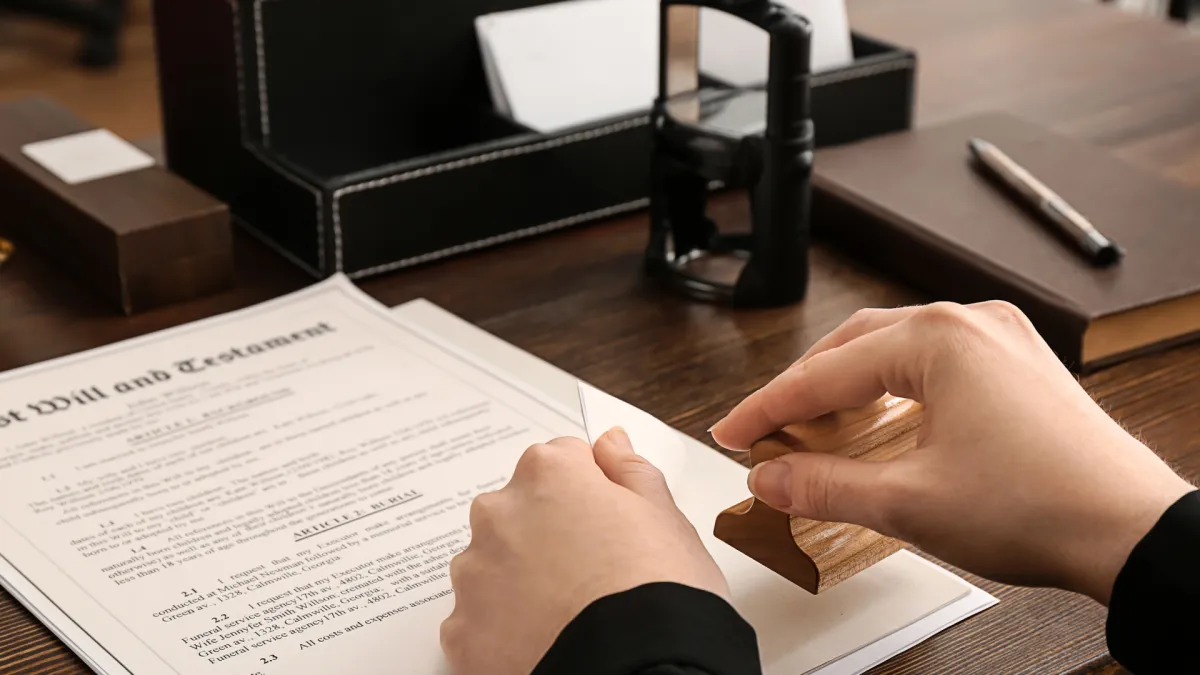
The notary you choose will make a difference.

Service With Urgency
After you book a notary appointment, we go above and beyond to execute your documents with urgency.

Service With Excellence
We leverage our experience in executing documents to bring knowledge and understanding during our services.

Service With Availability
We know you need your documents executed asap! That's why we manage a team of notaries so we can be ready.
WHY WE DO IT
Ensure your documents are legally binding.
We understand the importance of properly executed documents. Our mission is to provide trusted, professional notary services that ensure your paperwork is legally binding and fully compliant. Whether witnesses are required or special handling is needed, you can rely on our experienced team to support you with precision, care, and confidence.

Streamline your apostille and notarization processes with specialized courier services.
Don't waste time and effort running around for apostille-related notarizations. With Prime Notary's specialized courier services, we'll handle the logistics so you can focus on what matters most. Streamline your notarization process and save valuable time and energy.
Trusted legal solutions
for the real world.
At Prime Notary, Inc., we provide practical, reliable services designed to meet the demands of everyday life and business. Explore our top notary solutions—each tailored to deliver convenience, compliance, and confidence when it matters most.




TESTIMONIALS
What our customers say...

"Excellent Service"
"I was very happy with the service that Prime Notary provided. Scheduling the appointment was easy and smooth. The communication was excellent. I received reminders and text messages all the way. Our notary contacted me letting me know she was on her way. She was friendly and professional. I highly recommend Prime Notary. Thank you for the excellent service!"
- Theresa Chandler // Notary Client


"Solves complex Issues"
"Latania and her team are incredibly professional, kind, and quick to help. They helped me through multiple conversations for a complex issue, and I would come back for any services needed in the future. 10/10 wonderful people, and can’t recommend anyone else but them!"
- Caelen Scriber // Notary Client

"Convenient Service"
"Prime Notary is outstanding!
I had an amazing experience using their notary services. They were professional, punctual, and made the whole process incredibly smooth and convenient. Communication was clear, and they answered all my questions with patience and knowledge. I especially appreciated their flexibility and the way they handled everything with care. Highly recommend Prime Notary if you’re looking for reliable and efficient notarial services!"
- Leeahora Valentine
"You are in good hands"
"Extremely professional and courteous service. I flew in from Mexico to have a document notarized and picked this company because of solid 5 star ratings. They helped with everything, including sending off my documents. I could not possibly be any happier with the service.
These folks have pride in what they do, and it shows. You are in good hands with them."
- Tyler Westbrook // Notary Client
"Most careful notaries"
"Background: I am a retired attorney with many years of history dealing with Notaries.
Latania was timely, thorough, careful about signatures and document completion.
She was the most careful notary of the many I have dealt with in my career.
I cannot recommend her highly enough. I plan to use her services again in the future.
I am only disappointed that there are insufficient stars to show her several high qualities! Ten stars would be more appropriate!"
- Mark Roth // Notary Client
"Highly recommended"
"I don’t usually leave reviews, but I had such a good experience with Prime Notary that I had to share. I needed some documents notarized last minute and they were super quick to respond and really easy to work with. The notary showed up on time, was super friendly and professional, and made the whole thing stress free. It’s rare to find service that’s both efficient and personable these days. Definitely keeping their number saved for the future."
- Ty // Notary Client
PRICING
MOBILE
NOTARY
$95
For the first notarization and $20 per additional notarization.

additional witnessES
$60
For the first witness and $60 per additional witness.
Apostille document
$275
For the first apostille document and $60 per additional apostille document
remote online notary
$60
For the first online notarization and $25 per additional online notarization
STILL NOT SURE?
Frequently Asked Questions
How long does a notary appointment take?
The time it takes to have a document notarized varies depending on the type of document, the number of signatures that need to be notarized, and the condition of the principal signer.
What forms of ID are acceptable in Florida?
There are three main categories of identification acceptable for notarization in Florida. These are personal knowledge, a government-issued ID card, and the oath of a credible witness of a person that knows the signer personally.
A government -issued ID card is current or ISSUED (not expired) within the last 5 years:
Driver’s license issue by any state
Identification (ID) Card issue by any state
Passport
A valid consular ID issued by a consulate from applicant’s country of citizenship
An Identification (ID) card issued by a federally recognized tribal government
What if I don't have a valid ID?
We can still notarize your document by way of a credible witness signing! We would require 2 Credible Witnesses with valid ID that can confirm they personally know you and you are the person named on the document.
Can I cancel or reschedule an appointment?
Yes! We offer free cancellations up to 4 hours prior to the scheduled appointment time. You can cancel within your booking invite or call us at +1 (866) 788-0030.
Rescheduling is free as long as the notary has not been dispatched. After the notary has been dispatched there will be no refunds rendered.
Can I notarize a document virtually in Florida with a video call?
Yes! The state of Florida does accept virtual notarizations. Our notaries are licensed to carry out remote online notarizations for anyone in the state of Florida or the world! Schedule an appointment today.
Committed to expertise
Trusted notary solutions you can rely on in Florida.
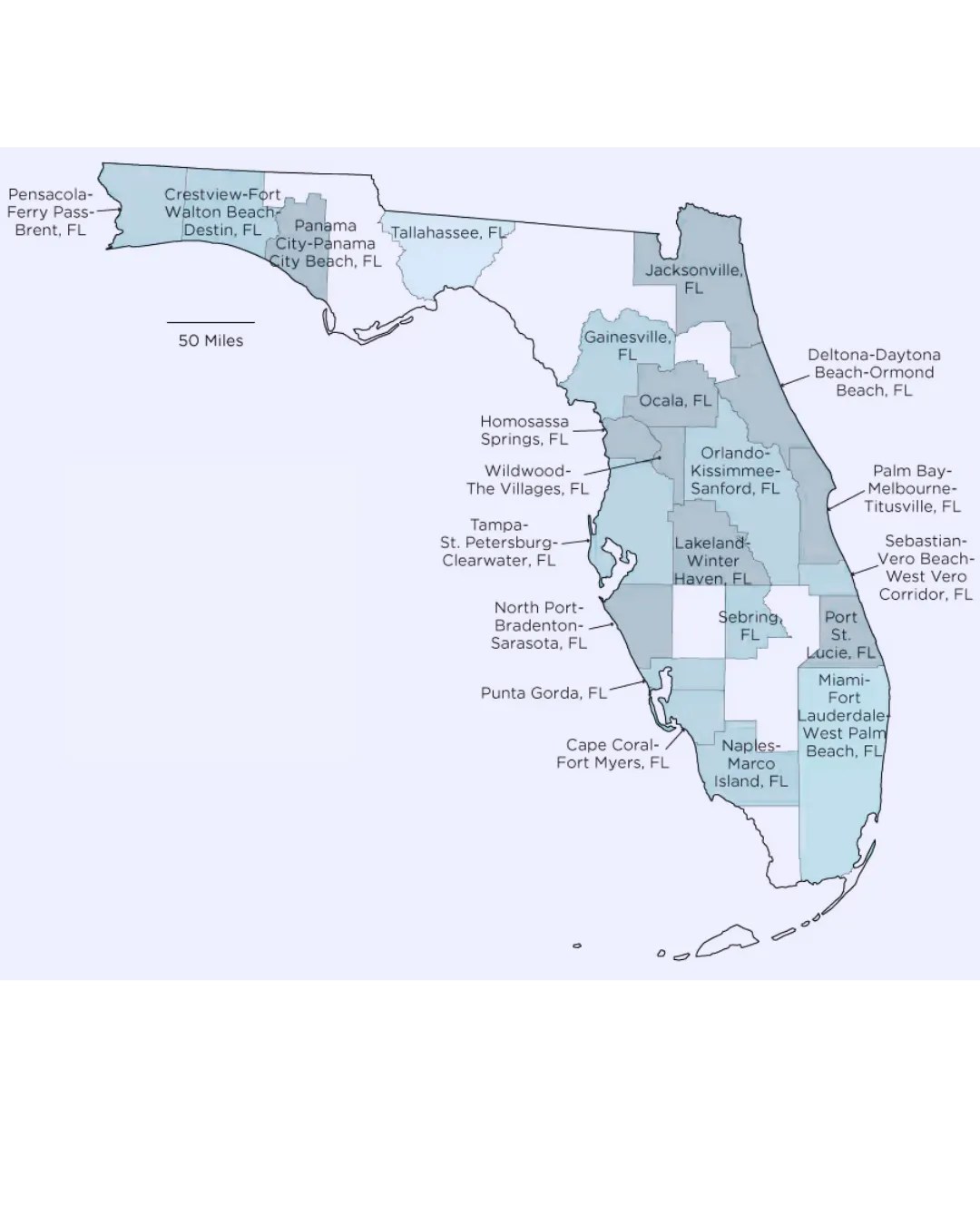
Find us here: Serving The Greater Florida Metropolitan Areas
Phone: +1 (866) 788 - 0030




© 2026 Prime Notary, Inc - All Rights Reserved,